
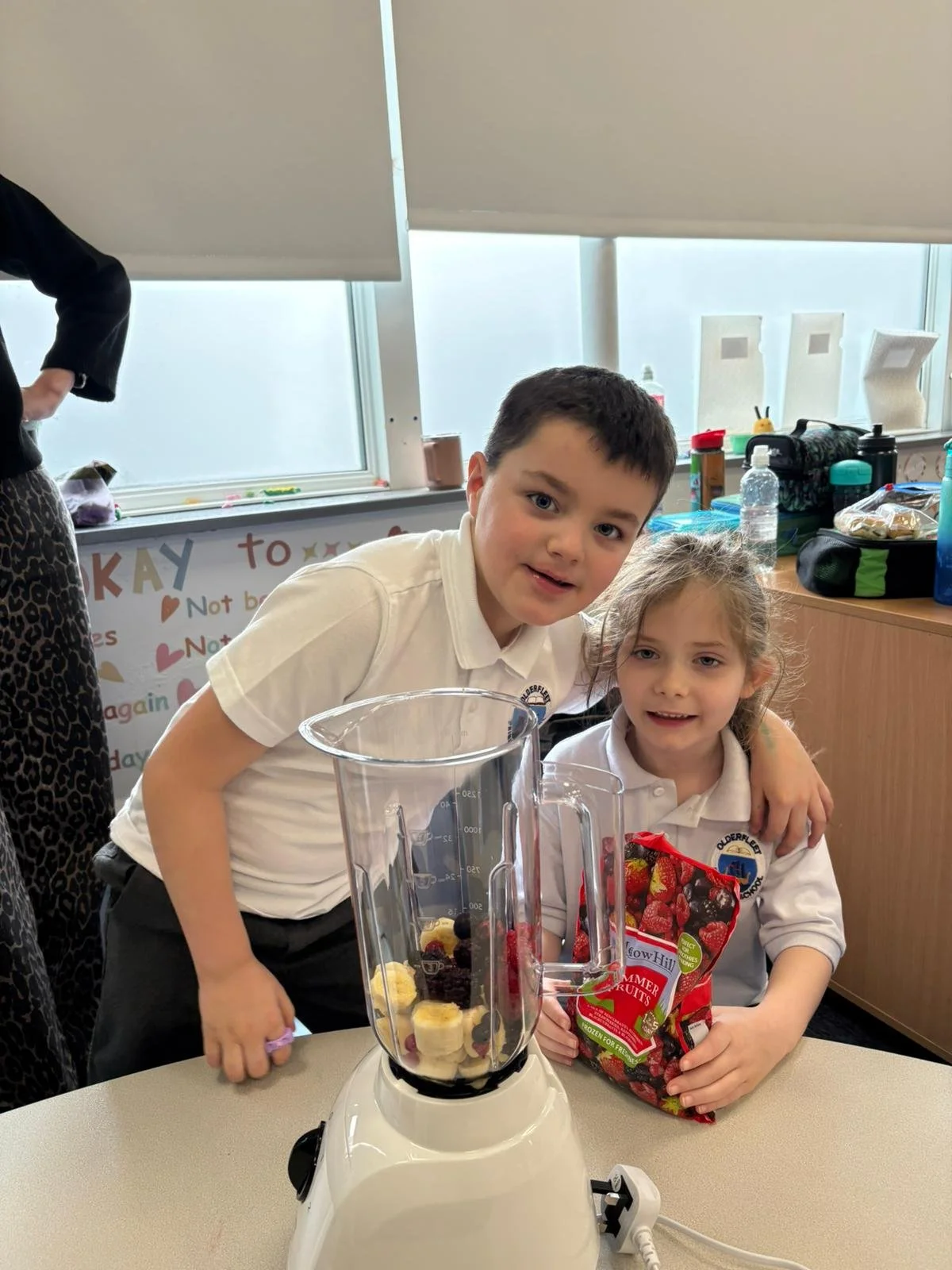
When I set out to develop our specialist provision within the mainstream setting at Olderfleet Primary, I was clear on one thing from the very beginning: this could not be an add-on. It had to be a true part of our school. A space not set apart, but one that all the children and staff in our mainstream saw as part of daily school life.
We are a school where every child belongs, and every child is valued; every child, every opportunity. And I wanted to make sure that all the staff understood how it would work, run and integrate. Hence the name the Hive was born, everyone working together for a common goal.
True inclusion isn’t about placing children in a room and hoping they cope. It’s about creating an environment where they can thrive as themselves. For the children who came to our Hive, the mainstream education they had experienced in their previous schools, had felt overwhelming, unpredictable, and at times, unkind. I wanted this space to change that narrative for them, for it to be somewhere they could just be. A place where they are understood, accepted, and celebrated.
But this wasn’t just about the children. It was about their families too. For many of the parents who became part of our Hive, and Olderfleet family, the journey through education had been filled with worry, advocacy, and exhaustion. One of the parents told me she had dreaded daily pickup at his previous school as she would be met by a stony faced teacher who would regale her with tales of her son’s “misdemeanours” - in front of all the other parents. Another parent broke down in tears when his daughter skipped happily into school on the second week of attending the Hive and called “Bye Daddy.” Not only had she been non verbal at nursery but she had cried and lashed out every morning at the nursery door and he said he never thought he would experience a “normal” school drop off.
One of the most powerful outcomes of this provision has been watching parents begin to breathe again to trust that their child is safe, happy, and genuinely included.
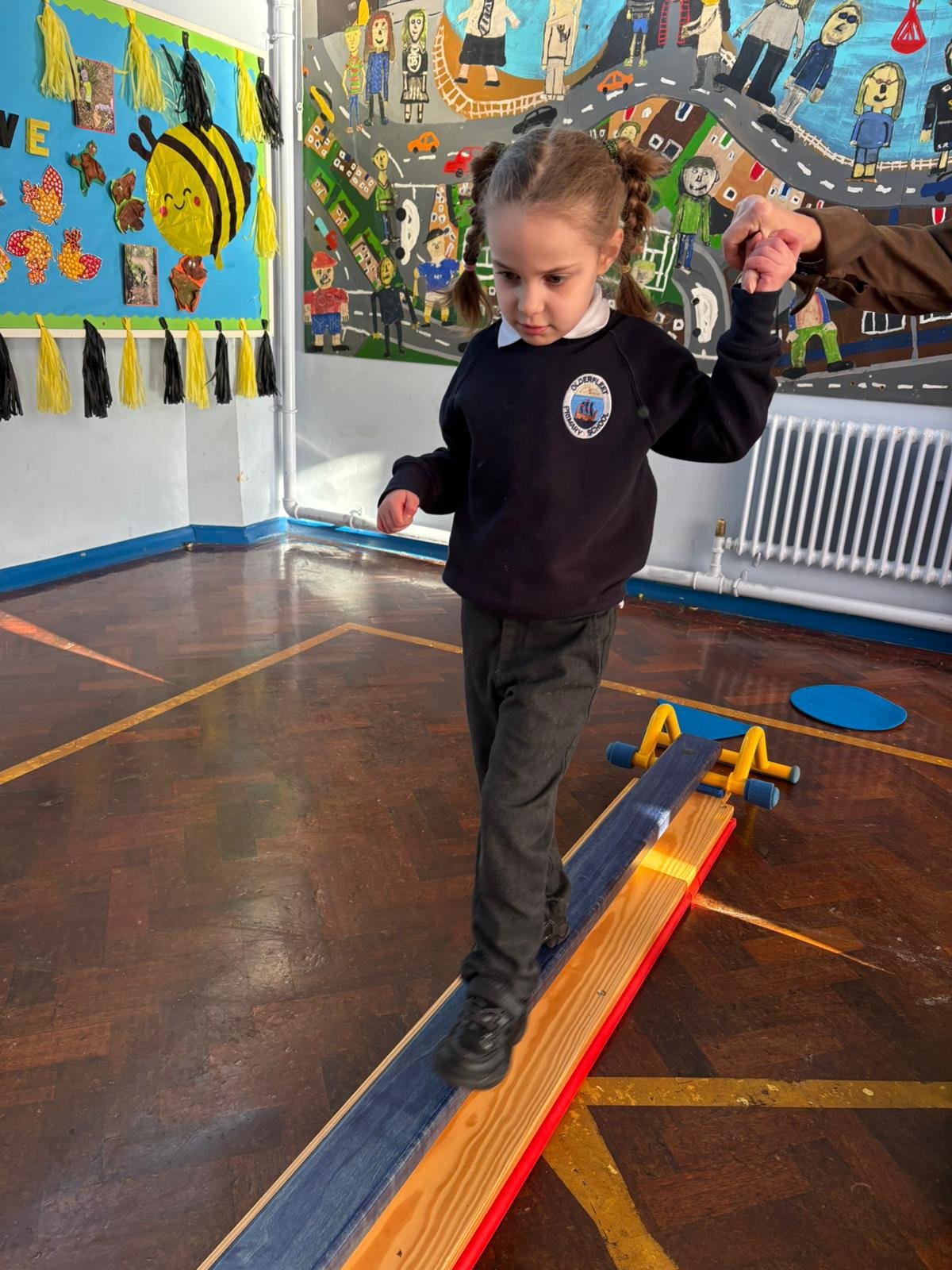
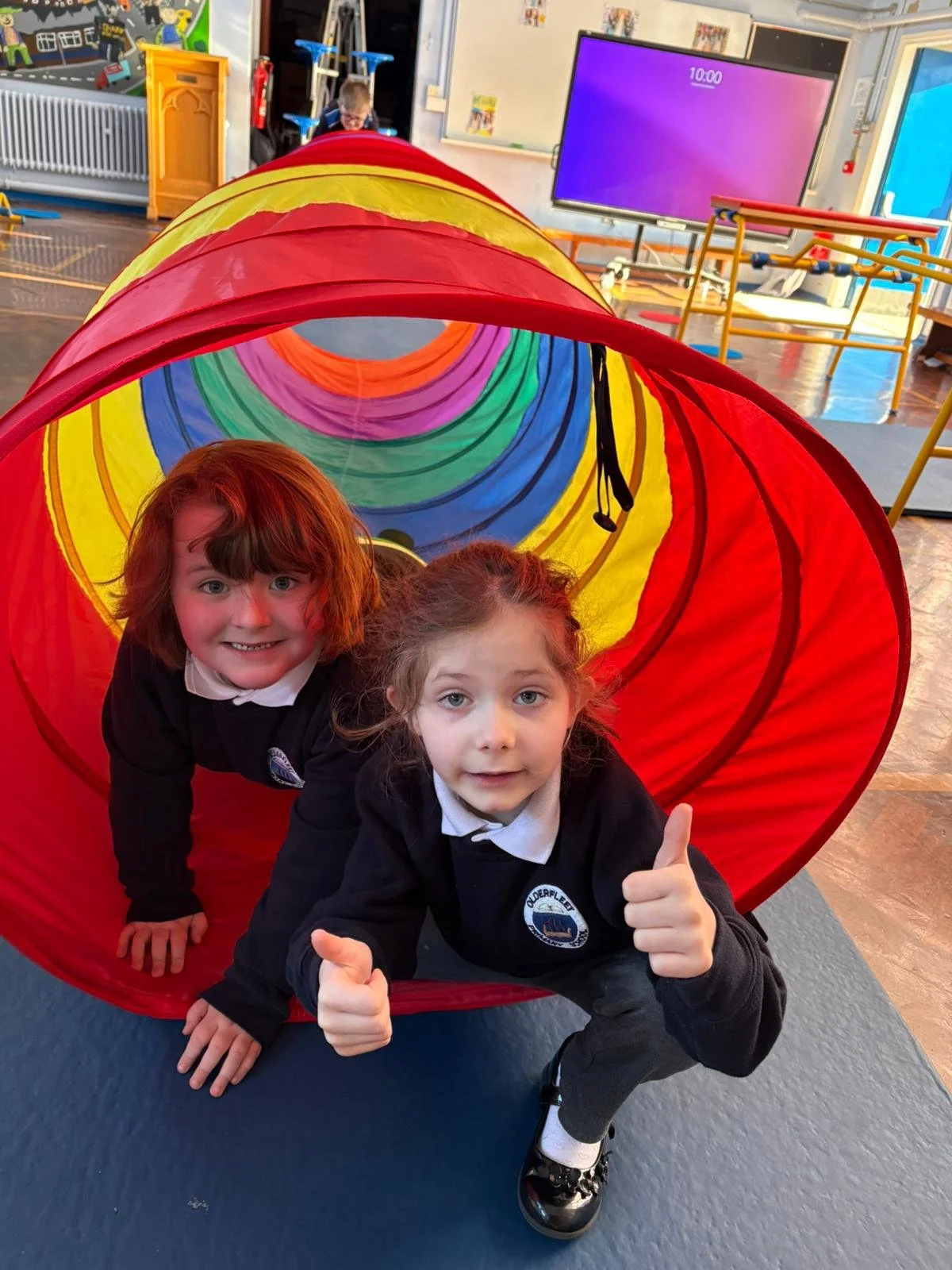
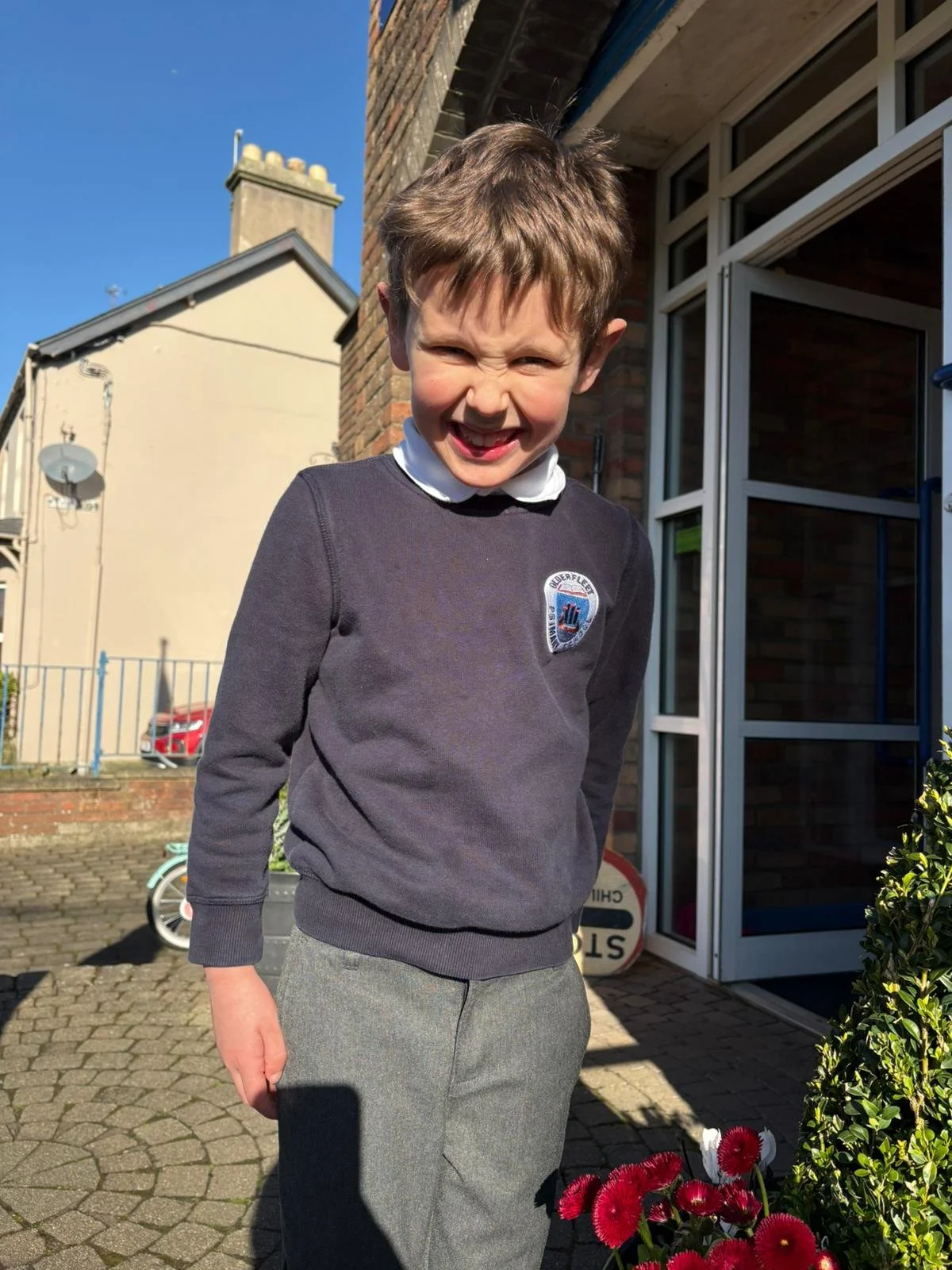
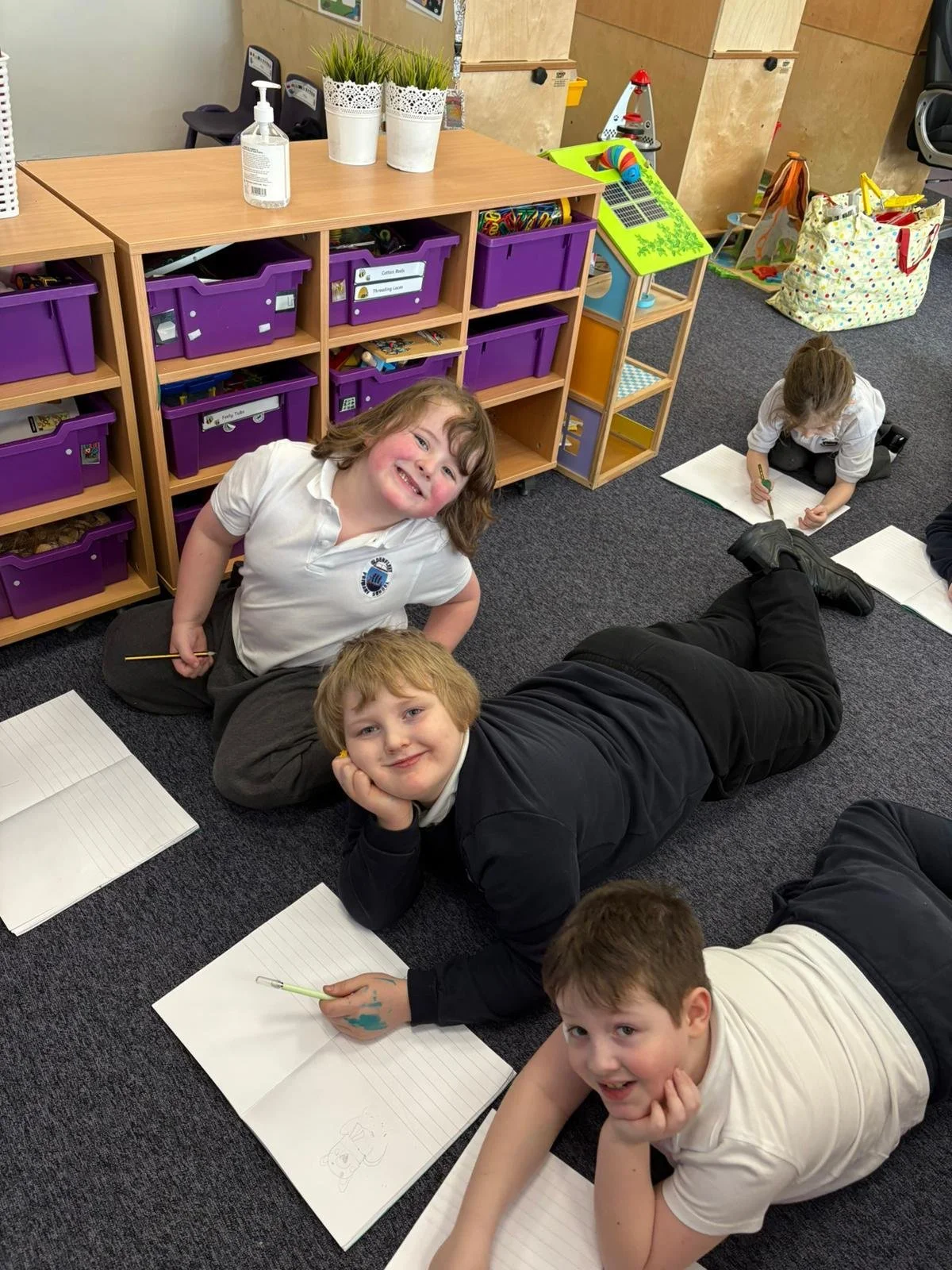
The physical environment was crucial in bringing this vision to life. I was intentional about creating clear, purposeful zones within the space, areas for learning, playing, eating, regulating, and relaxing. Each zone serves a function, but together they create a rhythm to the day that feels predictable and secure.
At the same time, I was careful to avoid creating a sterile or clinical environment. I was very clear about this from the start. This is not a place that feels institutional. Instead, it is warm, calm, and welcoming designed with neurodiverse needs in mind. We’ve balanced stimulation carefully: enough to engage and inspire, but never so much that it overwhelms.
Children here are given something incredibly powerful; time. Time to learn at their own pace. Time to process. Time to build trust. There is no rush to “catch up,” only a steady focus on moving forward in a way that is meaningful for each individual child.
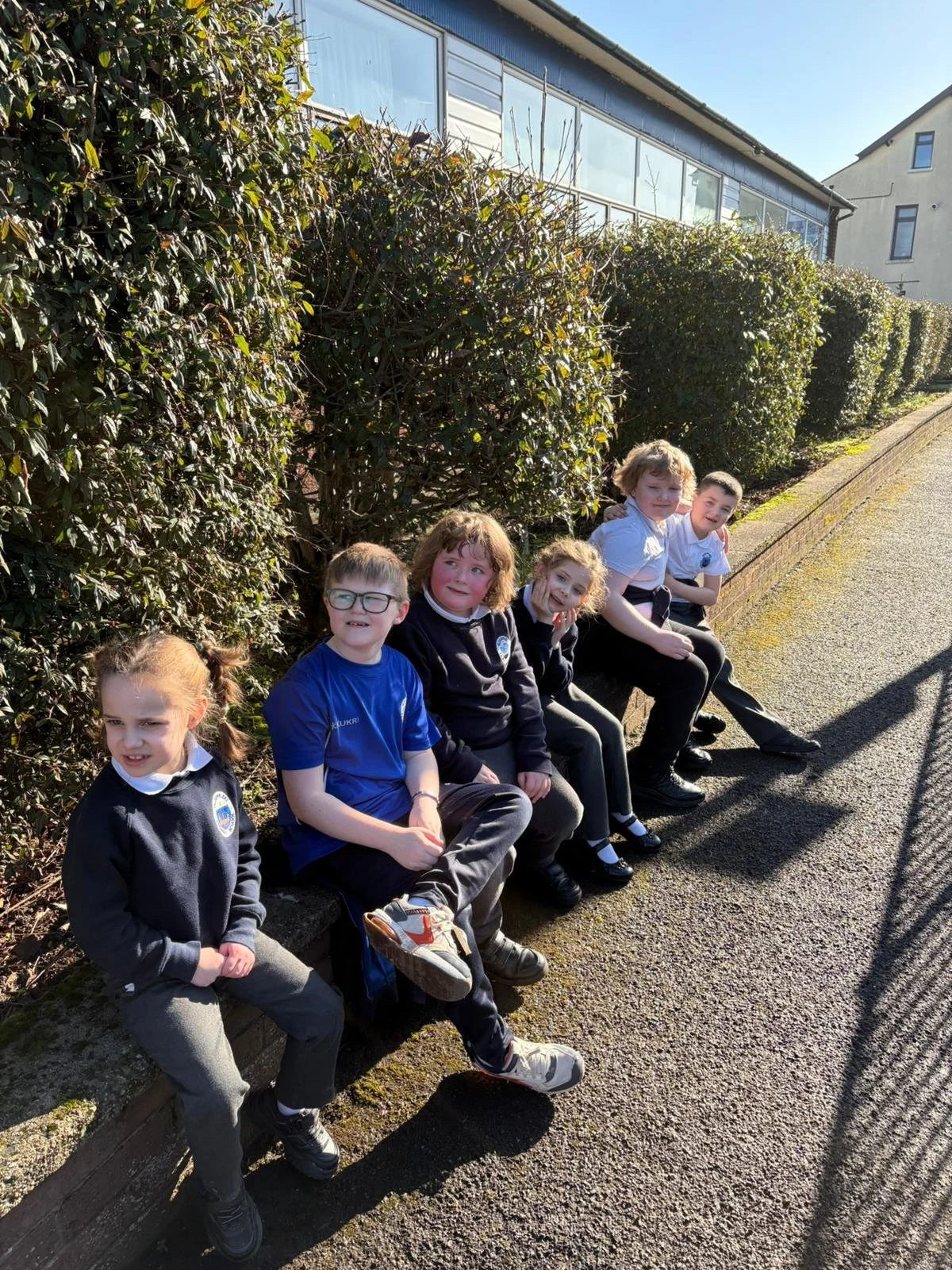
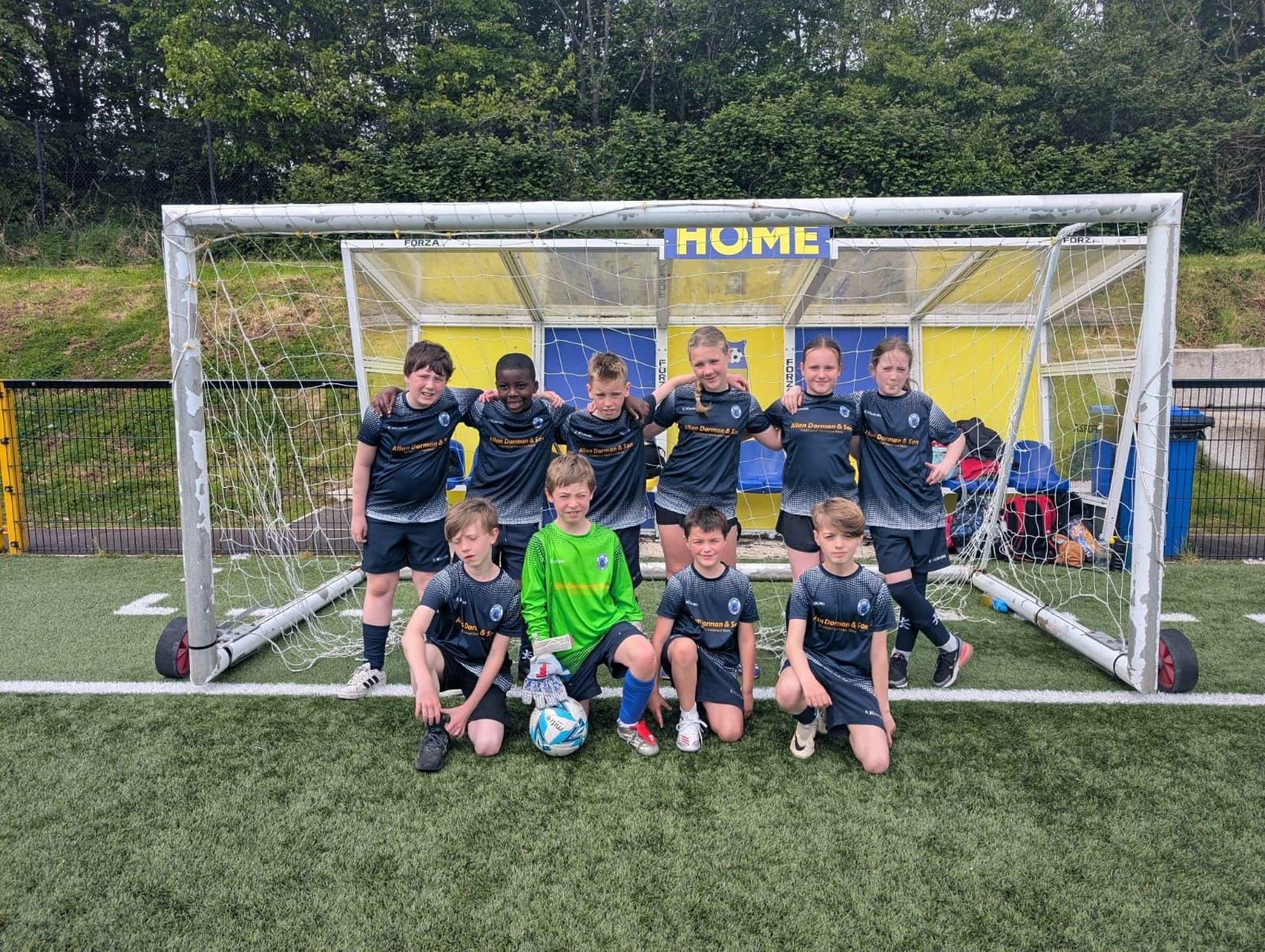
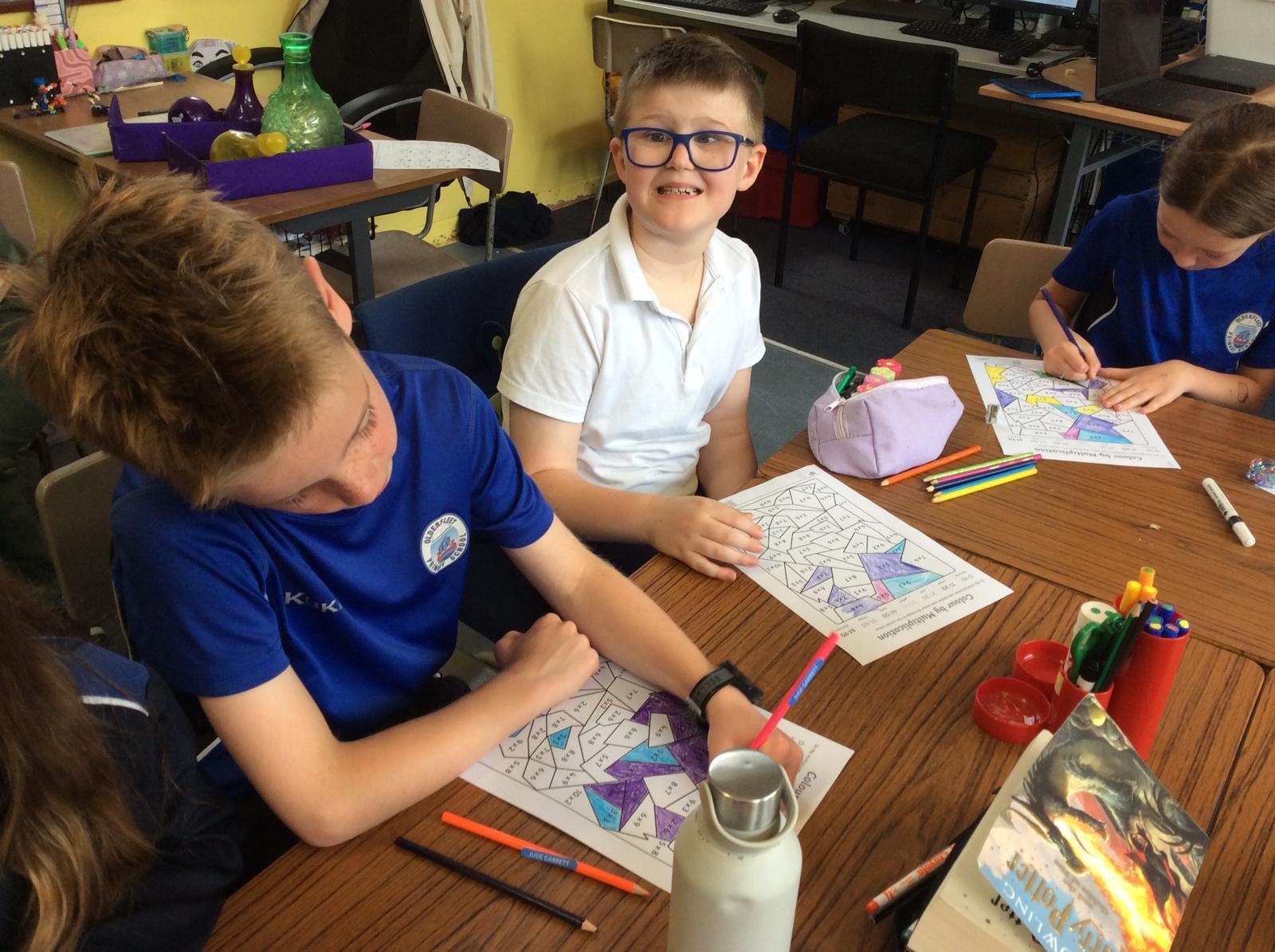
And because this provision sits within the heart of our school, opportunities for connection are always there. Children are part of the wider school community joining in where appropriate, building relationships, and developing a sense of belonging that extends far beyond the walls of the classroom. Every single child in our school and every member of staff whole heartedly came on this journey with me. We are a school united, the children from the Hive and the mainstream school socialise daily. They join their mainstream classes for lessons, assemblies, go on school trips, join the football team, take part in Sports Day. There is no them and us, there is simply us.
What we have created is more than a space. It is a shift in mindset. A commitment to meeting children where they are, rather than expecting them to fit a system that wasn’t designed for them. It is an education that extends far beyond the Hive and the children there. This is not a room that was added on, this is a classroom that is part of our school and our community.
This is what inclusion should feel like.
Emma Brownlees, SENCo